Energy Storage Systems Discussed at RELOP Workshop

The meeting, held via videoconference, brought together more than 75 participants and fostered an enriching exchange on the regulatory and institutional perspectives of three RELOP member countries.

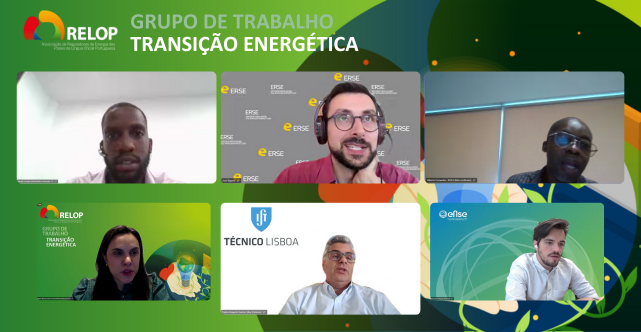
On May 26, another session of RELOP’s Energy Transition Working Group took place, coordinated by ENSE, and focused on the theme: “Energy storage systems: what is the best solution for storing vRES?”

The workshop began with a presentation by Raydel Carvalho from AGER, who provided an overview of the country’s energy matrix and the challenges associated with its high dependency on imported diesel. Investment in renewable energy sources and the role of storage systems were highlighted as essential elements to ensure a sustainable and economically viable electricity supply, with emphasis on national decarbonization plans and ongoing projects for the installation of photovoltaic plants with battery systems.

Next, José Bigares from ERSE presented the evolution of the national legal framework and the importance of storage for the flexibility of the electricity system, particularly in light of the growing integration of intermittent renewable sources. Data was also shared on the recent 500 MW battery auction, ERSE and ADENE’s studies on future flexibility needs, and the various storage models under consideration, including centralized, distributed, and electric mobility-linked solutions.

Alberto Fernandes, from IRSEA, shared the Angolan perspective on renewable energy integration and the challenges of electrification in isolated areas. He highlighted ongoing projects using hybrid systems (solar and batteries) in several provinces and the national renewable energy strategy, reinforcing the importance of storage in ensuring energy access and grid stability.

Finally, Professor Carlos Silva from Instituto Superior Técnico presented the main results of a technical study conducted by IST in collaboration with ADENE on storage needs through 2030. The analysis includes climate scenarios, consumption trends, and interconnections with Spain, underscoring the strategic role of batteries and pumped hydro storage in stabilizing and decarbonizing the national electricity system.

The workshop once again reinforced RELOP’s role as a platform for coordination among different energy sector entities, promoting technical cooperation and the sharing of solutions that contribute to a safe, resilient, and fair energy transition.

Strategic Partner Award

ALER recognises ANEEL Presidency of RELOP with the Strategic Partner Award

On the sidelines of the 2nd Energy Conference of the Community of Portuguese Speaking Countries (CPLP) held on May 27 and 28, 2025, at the Estoril Congress Center, Cascais, Portugal, the Lusophone Renewable Energy Association (ALER) celebrated its 10th anniversary.

The celebration was marked by the presentation of ALER’s new image and an ALER Awards ceremony.

At this ceremony, ALER recognised the ANEEL Presidency of RELOP with the Strategic Partner Award.

The award was presented by His Excellency the Angolan Secretary of State for Energy, Arlindo Carlos, to Artur Trindade on ANEEL’s behalf.

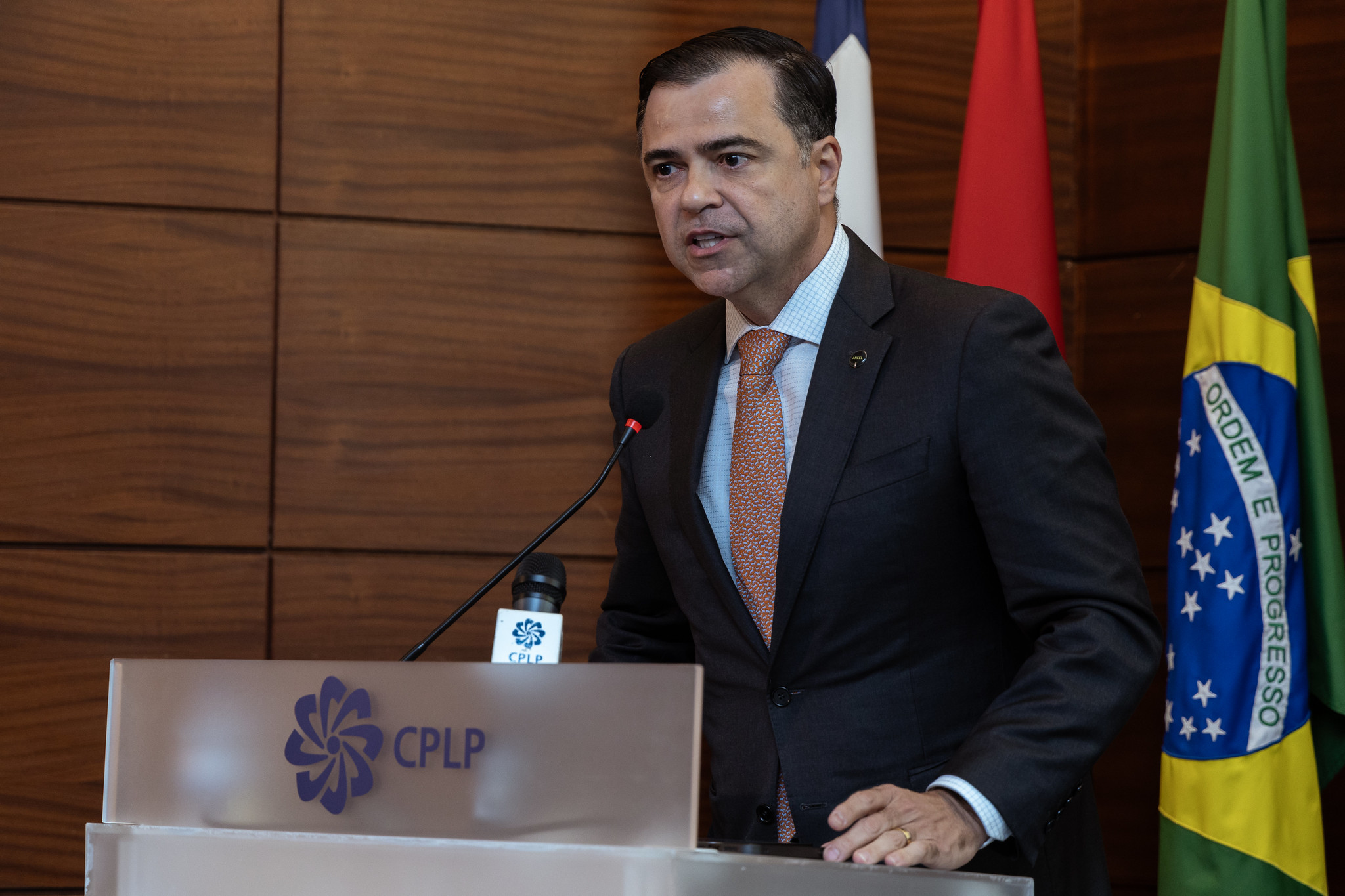
The President of RELOP/Director General of ANEEL, Sandoval Feitosa sent the following message:

“Dear friends of the Community of Portuguese Speaking Countries (CPLP).

It is with great satisfaction and honor that I receive this award on behalf of RELOP, represented by the Executive Director, Dr. Artur Trindade.

RELOP has always sought to establish strategic partnerships to promote the sharing of knowledge and good regulatory practices on issues of global interest to the electricity sector, precisely the focus of this Conference: Energy Transition, Resilience, Sustainability and Social Inclusion.

In recent years, ANEEL has shared with RELOP some important initiatives developed on these topics, in the search for regulatory improvements that promote and prioritize a just energy transition and a resilient and sustainable electricity system.

In recent years, ANEEL has shared with RELOP some important initiatives developed on these issues, in the search for regulatory improvements that promote and prioritize a just energy transition and a resilient and sustainable electricity system.

The Brazilian electricity matrix is one of the most renewable and diversified on the planet, with 87% renewable sources, compared to 26.6% in the rest of the world.

In the last two decades we have managed to diversify our electricity matrix without losing the predominance of clean energy. We are currently the 6th largest producer of onshore wind and solar photovoltaic energy (centralized and distributed). We still have 50% of our matrix from hydroelectric sources and half of our thermal power plants use biomass. We have also expanded our interconnected electricity transmission system, which should reach 216,000 kilometers by 2027.

The energy transition is also guided by coping with increasingly severe climatic events. Brazil, and the electricity sector in particular, has been strongly impacted by this new reality. In this regard, ANEEL has been working with government bodies and regulated companies to promote system resilience, with a view to guaranteeing the security and reliability of the service.

With these initiatives implemented and shared, with the potential to adapt to the different realities within RELOP, we are proud to act as a strategic partner to promote regulatory improvement and a just energy transition.

Thank you all”

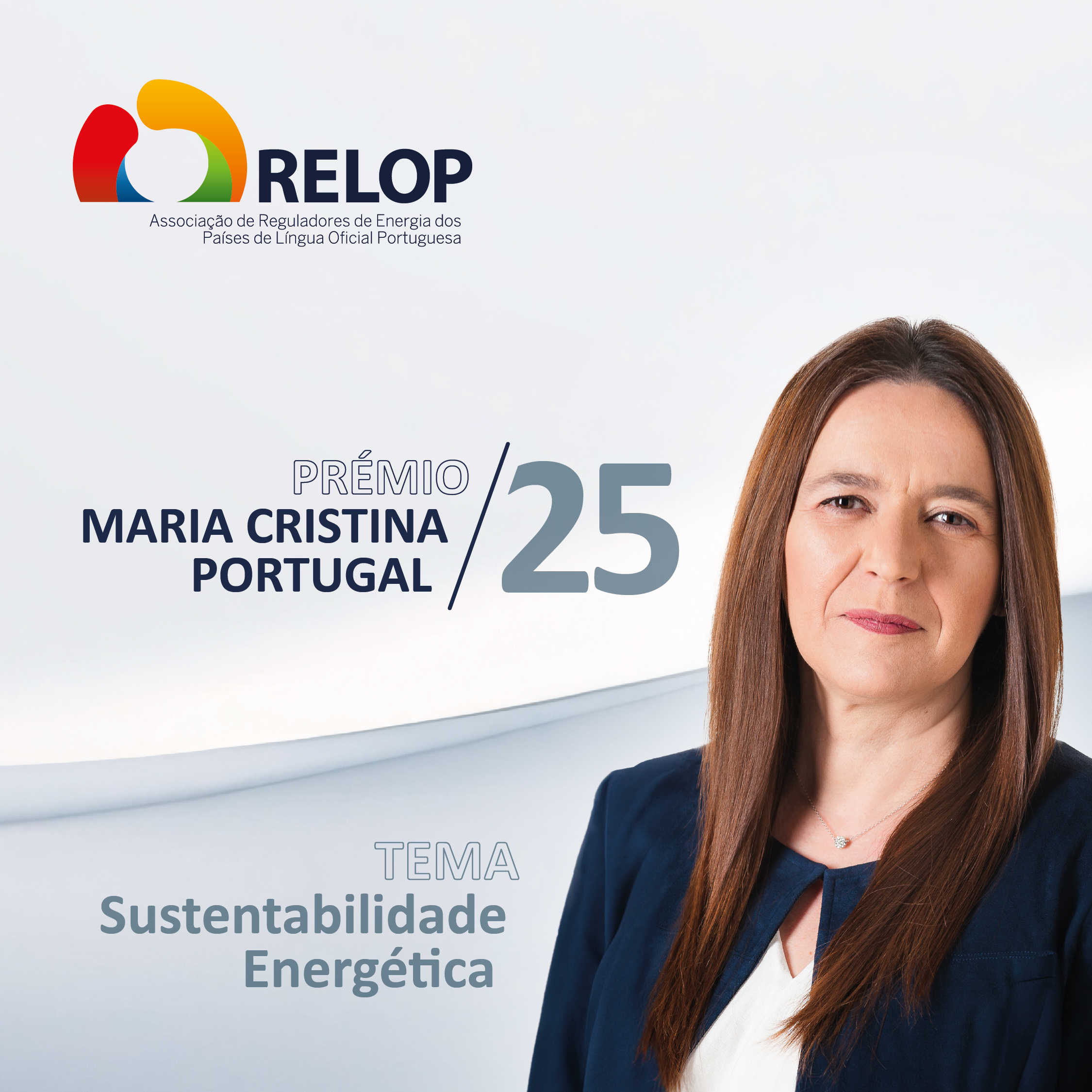
Meet the winner of the Maria Cristina Portugal Award 2025

RELOP Announces Winner of the PMCP 2025 During the II CPLP Energy Conference

On Wednesday, May 28, during a special session of the II CPLP Energy Conference, RELOP announced the winner of the 2025 edition of the Maria Cristina Portugal Award.

Submissions were open from March 9 to April 9. This year’s jury was composed of Angela Gomes, Technical Director at PSR Brazil; Carlos Henggeler Antunes, Full Professor at the University of Coimbra, Portugal; and Danilo Omar, retired geophysicist from ENH, Mozambique. The panel reviewed the submitted articles, all focused on the theme of Energy Sustainability.

The winning article is titled “Towards Energy Sustainability: Integrating Energy Conservation with Consumers through Smart Grids and Regulatory Reform”, authored by Eng. Márcio Alcântara.

The article proposes an integrated and innovative approach to promoting energy conservation, modernizing electrical infrastructure, and encouraging active consumer participation, through an adaptive regulatory framework aimed at fostering the sustainable development of smart electricity distribution grids. The author demonstrates how this process contributes to the expansion of a more sustainable and resilient energy matrix, aligned with the Energy Sustainability theme of this year’s Maria Cristina Portugal Award.

Márcio Alcântara is Coordinator of Innovation and Market Engagement at the Secretariat of Innovation and Energy Transition of ANEEL. He holds a PhD and a Master’s degree in Electrical Engineering from the University of Campinas (UNICAMP), and a bachelor’s degree from the Federal University of Goiás (UFG).

RELOP thanks all participants of this edition. The winning article and the other submitted works are available on our institutional website.

CPLP Energy Ministers highlight key projects under development in their countries

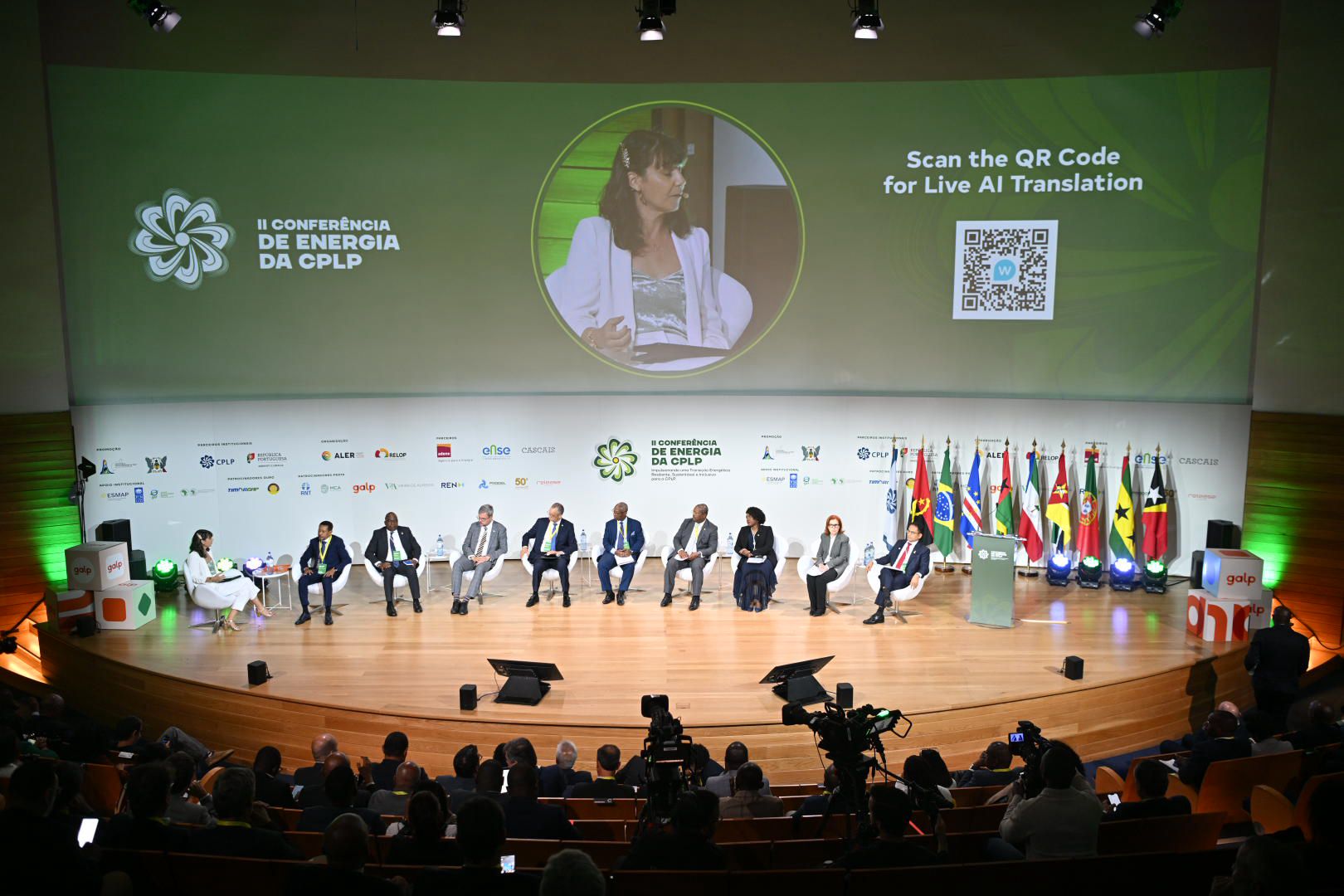
The II CPLP Energy Conference began this morning at the Estoril Congress Center.

In the opening session, Carlos Carreiras, Mayor of Cascais, highlighted the fact that the municipality is hosting the event for the second time and expressed hopes that we won’t have to wait as long for the III CPLP Energy Conference.

The Prime Minister of São Tomé and Príncipe, Américo Ramos, who currently holds the rotating presidency of the CPLP, reaffirmed his country’s commitment to the CPLP.

In the ministerial session, the Ministers from the 9 CPLP countries, or their representatives, were unanimous in emphasizing the importance of energy in our society, its role in economic development, and human well-being. In this regard, it is essential to ensure accessible and sustainable energy transitions in each country.

The ministers also took the opportunity to highlight key projects and investments in power generation infrastructure, as well as how they have been addressing challenges such as universal access, energy poverty, and the intermittency of energy sources.

Stay with us!

II CPLP Energy Conference

The Energy Conference of the Community of Portuguese Speaking Countries (CPLP) will take place on May 27 and 28, 2025, at the Estoril Congress Center, Portugal, and will address the challenges and opportunities that the energy transition represents.

With more than 300 participants from all the CPLP countries, this important conference is being held on the sidelines of the III Meeting of CPLP Energy Ministers, which took place on May 26, 2025, at the CPLP headquarters, under the slogan “Driving a resilient, sustainable and inclusive energy transition for the CPLP”.

The 2nd CPLP Energy Conference is finally taking place, ten years after the first Conference, and will be the meeting point for governors, financiers, entrepreneurs and experts from the CPLP energy sector.

This meeting is promoted by the Government of São Tomé and Príncipe, as part of its Presidency-in-Office of the CPLP, and is organized by the Energy Thematic Committee of the CPLP Consultative Observers. The Conference has the institutional support of the Portuguese Ministry of Environment and Energy and the Community of Portuguese Speaking Countries (CPLP), as well as the partnership of the Portuguese Energy Agency (ADENE) and the Cascais City Council.

RELOP is part of the organization of this event and will be represented by the majority of its members. On the 28th, the winner of the Maria Cristina Portugal 2025 Award will also be announced live from the conference.

Oil, Gas, its Derivatives, and Biofuels Working Group promotes a reflection session on ESG in the Oil Industry

Oil, Gas, its Derivatives, and Biofuels Working Group promotes a reflection session on ESG in the Oil Industry

On May 14, 2025, another session of the Oil, Gas, its Derivatives, and Biofuels Working Group (GT-PGB) of RELOP took place, focusing on the central theme: “ESG in the Oil Industry and the Challenges for Sector Regulation”.

The meeting aimed to promote a joint reflection among regulators, operators, and other stakeholders on environmental, social, and governance (ESG) best practices applied to the oil sector, as well as to discuss the main challenges and opportunities for regulation in the present and future contexts.

The session featured three main speakers from ERSE, TotalEnergies in Angola, and the company C-More.

During the first presentation, António Domingues, representing ERSE, shared a regulatory perspective on the challenges and pathways for integrating ESG criteria into the performance of energy sector regulators. He also highlighted the new European Directive 2022/2464 (CSRD), which strengthens sustainability reporting requirements, promoting greater transparency and integration with financial reports. Subsequently, António Domingues emphasized the obligation for objective reporting on topics such as carbon neutrality, waste management, gender equality, and corporate ethics. The EU Taxonomy was also addressed, establishing scientific criteria to identify environmentally sustainable economic activities, supporting the transition to a low-carbon economy that is more resilient and resource-efficient.

Samora Kitumba, representing TotalEnergies in Angola, discussed the sustainability and ESG strategy of TEPA (TotalEnergies EP Angola), highlighting the initiatives implemented in the Angolan context, as well as the company’s commitments to energy transition and sustainable development. The approach follows a pyramid-structured model, which is based on the Sustainable Development Goals and adapted to regional specificities. The actions are guided by five essential levers, namely: 1. energy consumption, 2. carbon emissions, 3. environmental issues, 4. community engagement, and 5. employee well-being. The four strategic pillars include sustainable energy, environmental care, social impact, and quality of life. The global goal is to achieve carbon neutrality by 2050, with a target of reducing emissions by 50% by 2030. In the energy transition process, the company focuses on efficiency and cleaner solutions, such as reducing gas flaring and adopting new technologies. Furthermore, it invests in social projects in Angola, covering 12 provinces, reinforcing its commitment to communities.

Francisco Granja, from the company C-More, presented innovative technological solutions for implementing and monitoring corporate ESG initiatives, focusing on digital management, traceability, and reporting tools. The company has developed a market-leading sustainability software, a plug-and-play SaaS model accessible to businesses of any size and institutions looking to enhance the ESG maturity of their portfolios and value chains. C-MORE emphasizes that social challenges require efforts beyond government and non-profit sectors, highlighting the crucial role of companies in building a sustainable future.

As pointed out by the Brundtland Report (1987), more sustainable and circular business models are a fundamental necessity to address today’s challenges without compromising the ability of future generations to do the same.

The exchange of experiences and dialogue promoted during this meeting reinforces RELOP’s commitment to fostering the alignment of regulatory practices with the principles of sustainability and socio-environmental responsibility in the oil sector.

RELOP Participates in the 22nd ERRA Annual Conference

The Conference in Oman brought together energy regulators to discuss cooperation and best practices in the sector.

On May 5 and 6, in Muscat, Oman, the 22nd Annual Conference of the Energy Regulators Regional Association (ERRA) took place, with the theme “Advancing the Energy Transition through Effective Policies and Regulation.” The event brought together experts and representatives from energy regulatory networks across various regions to discuss the main challenges and advancements in the global energy sector.

Representing RELOP, Ludimila Silva, Director of ANEEL, participated in one of the panels dedicated to the management and integration of electricity grids. During her presentation, she shared Brazil’s experience in integrating renewable energy into a predominantly hydroelectric system. Among the key points highlighted were the benefits of centralized auctions, the evolution of grid codes, and the resilience of complementary resources. She also emphasized the high costs associated with the expansion of the electricity grid and the logistical and territorial challenges faced in Brazil. As a suggestion, she pointed out that regulators should prioritize the efficiency of existing infrastructures, promoting flexibility, transparency, and proactive regulation.

On the day before, May 4, RELOP also participated in the 12th High-Level Meeting of Regional Associations of Emerging Markets, promoted by ERRA. The meeting focused on exchanging experiences, spreading best practices, and strengthening cooperation among emerging economies in the energy sector.

Ludimila Silva, as a representative of RELOP, presented the organization and its main ongoing initiatives, as well as shared ANEEL’s experiences aimed at consumer engagement in the energy market.

RELOP’s participation in the events reinforced the association’s image among peer entities and its commitment to promoting the development of regulatory activities and the energy market through the sharing of knowledge and regulatory best practices.

RELOP’s Energy Transition Group highlights the role of Energy Communities in the Energy Transition

On April 14, 2025, the fourth workshop was held as part of the activities of RELOP’s Working Group on Energy Transition, dedicated to the theme “Energy Communities: Examples that promote local energy production and consumption with a positive social impact.” The main goal of the initiative was to share practical cases that drive local energy production and consumption, with a special focus on their social and community benefits.

The event brought together 60 representatives from various organizations across RELOP member countries and was moderated by Fernando Martins, Head of the Control and Prevention Unit at ENSE.

The first speaker, Miguel Alves from ERSE, presented “Opportunities and Challenges of Energy Communities.” He highlighted the differences between Collective Self-Consumption (ACC), which requires an internal regulation and is managed by a Collective Self-Consumption Managing Entity (EGAC), and Renewable Energy Communities (CER), which take the form of legal entities with the ability to share energy among their members and foster greater investment capacity.

This was followed by Júlio Silva from Grupo Energisa (Brazil), who shared the experience of the Vila Restauração energy community in the Amazon. Established in 2021, the project includes a microgrid, lithium battery storage systems, and a biodiesel generator. He addressed the technical and logistical challenges faced before and during the construction and sizing of the infrastructure, as well as how the system operates and the evolution of energy consumption in the community.

Inês Martins from Elergone Energia offered a clear and comprehensive analysis of the legal framework surrounding energy communities, also addressing self-consumption schemes, energy sharing, and connection to the public electricity grid. Her presentation highlighted the opportunities of decentralized energy production, such as reduced energy consumption, a lower carbon footprint, and increased production from renewable sources—contributing to the goals of the energy transition.

The final presentation was delivered by Carla Castelo from the Coopérnico Foundation, an organization that promotes various models of citizen, business, and nonprofit participation in energy communities. She emphasized the benefits of involving citizens in decentralized renewable energy production, supported by examples from the Telheiras and Culatra Island Energy Communities.

The workshop concluded with a discussion session, during which key questions were raised, such as: “How have citizens and small businesses been encouraged to actively participate in local energy production and consumption?” and “What are the main legal, technical, or financial challenges faced in creating and developing these energy communities?” This moment allowed for an enriching exchange of ideas and experiences among participants.

This fourth workshop reaffirmed the RELOP Working Group’s commitment, coordinated by ENSE, to promoting the energy transition in member countries. It continues to serve as a valuable platform for knowledge sharing and strengthening Lusophone cooperation in this strategic area.

II CPLP Energy Conference

The II CPLP Energy Conference will take place on the 27th and 28th of May, in Estoril Congress Center, Cascais, Portugal, and will be the stage for the dissemination of the latest developments and anchor projects for energy transitions in each CPLP country, with a view to making the most of endogenous resources and diversifying the energy matrix, to ensure universal, reliable and affordable access for all, while supporting socio-economic development.

The Conference will focus on the energy transition, as a way of encompassing all energy technologies and components. In this context, various themes will be addressed in different sessions, in order to guarantee a comprehensive event at the forefront of new trends in the sector.

This high-level event will take place on the sidelines of the III Meeting of CPLP Energy Ministers, and will be the meeting point for government officials, financiers, entrepreneurs and energy experts.

The II CPLP Energy Conference is promoted by the Government of São Tomé and Príncipe, within the scope of the Presidency-in-Office of the CPLP, and is organized by RELOP and ALER, coordinators of the Energy Thematic Committee of the CPLP Consultative Observers. The Conference has the institutional support of the Portuguese Ministry of the Environment and Energy and the Community of Portuguese Speaking Countries (CPLP), as well as the partnership of the Portuguese Energy Agency (ADENE) and Cascais Municipal Council.

Applications Closed for the Maria Cristina de Portugal Award 2025

Applications for the Award Closed on April 9, 2025

Dedicated to the theme “Energy Sustainability“, the 2025 edition of the Maria Cristina de Portugal Award closed its call for submissions this Wednesday, April 9.

The competition, which aims to encourage the production, dissemination, and recognition of scientific literature in Portuguese relevant to the energy sector—while promoting the exchange of knowledge and innovative practices among professionals—received a total of five submissions.

The jury, composed of Ângela Gomes, Technical Director at PSR Brazil; Carlos Henggeler Antunes, Professor at the University of Coimbra, Portugal; and Danilo Omar, retired geophysicist from ENH, Mozambique, will now review the submitted articles and select the winning entry.

The author of the selected work will have their article published by RELOP, receive an award certificate, and be invited to present their research at the RELOP Annual Conference, which will take place in Maputo, Mozambique, in November.

Further updates will be shared on RELOP’s social media channels.

Follow us and stay informed!